


When it comes to pizza, the method of cooking can greatly influence the flavor, texture, and overall experience of the dish. Among the various techniques, wood-fired pizza stands out as a traditional and highly sought-after method, particularly in Napoli, Italy. This article will explore the unique aspects of Napoli-style wood-fired pizza compared to other cooking methods, highlighting the key differences and benefits of each technique.
The Essence of Napoli-Style Wood-Fired Pizza
Characteristics of Napoli-Style
Napoli-style pizza is renowned for its thin, soft crust, which is achieved through high-temperature cooking in a wood-fired oven. The oven, typically made from brick or stone, reaches temperatures of around 800°F (427°C). This intense heat cooks the pizza quickly, usually in about 60 to 90 seconds, resulting in a charred yet chewy crust that is both flavorful and aromatic.
The dough used in Napoli-style pizza is made from high-protein flour, water, salt, and yeast, allowing for a light and airy texture. The toppings are minimal, often consisting of San Marzano tomatoes, fresh mozzarella, basil, and a drizzle of olive oil. This simplicity allows the quality of each ingredient to shine through, creating a harmonious balance of flavors.
Other Wood-Fired Pizza Techniques
Variations in Wood-Fired Cooking
While Napoli-style pizza sets the standard, there are other wood-fired techniques that vary in style and flavor. Here are a few notable methods:
- New York Style: This version features a thicker crust that is crisp on the outside and soft on the inside. It is typically cooked in a gas or wood-fired oven, allowing for a longer cooking time than Napoli-style.
- Chicago Deep Dish: This style is characterized by its thick, buttery crust that forms a bowl for a generous amount of cheese, toppings, and sauce. While not traditionally wood-fired, some pizzerias use wood-fired ovens to enhance the flavor.
- Sicilian Style: Known for its rectangular shape and thick crust, Sicilian pizza is often baked in a pan and can be cooked in a wood-fired oven. It has a denser texture and is typically topped with a variety of ingredients, including onions, anchovies, and a robust tomato sauce.
Cooking Techniques Comparison
The cooking techniques for wood-fired pizza can differ significantly:
- Temperature Control: Napoli-style requires high temperatures for quick cooking, while other methods may use lower temperatures for longer periods.
- Dough Preparation: The dough for Napoli-style is often left to rise for a longer time, resulting in a more developed flavor and texture.
- Topping Applications: Napoli-style emphasizes fresh, high-quality ingredients with fewer toppings, whereas other styles may use a wider variety of ingredients and heavier toppings.
Conclusion
In conclusion, while Napoli-style wood-fired pizza is celebrated for its unique characteristics and traditional preparation methods, other wood-fired techniques offer delicious alternatives that cater to different preferences. Each style has its own merits, influenced by regional traditions and cooking methods. Understanding these differences not only enhances your pizza knowledge but also enriches your tasting experience, whether you prefer the classic simplicity of Napoli-style or the heartiness of a Chicago deep dish. No matter the style, wood-fired pizza remains a beloved dish around the world, cherished for its rich flavors and artisanal craftsmanship.
For more information on wood-fired pizza contact us anytime: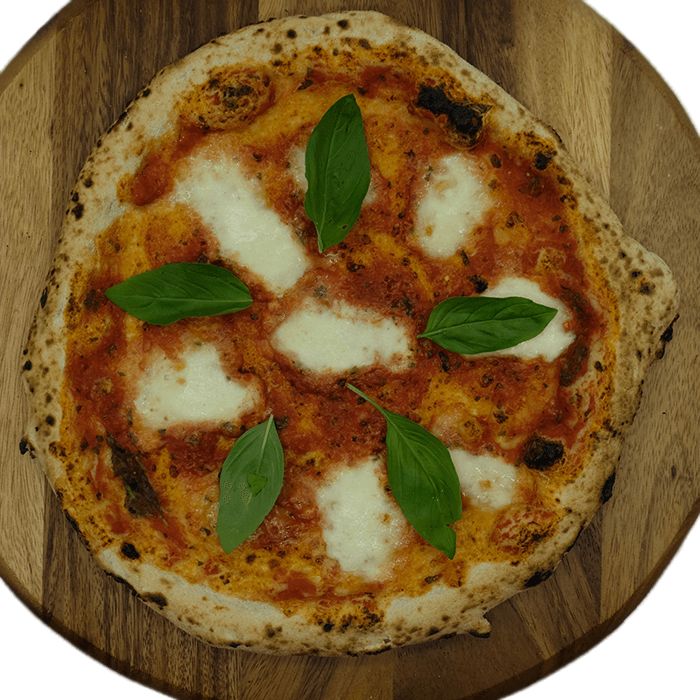
Hepburn Pizza
https://www.hepburnpizza.com.au/
116 Main Road Hepburn Springs
Pizza near me at Hepburn Pizza. Napoli-inspired wood-fired pizzas, dine-in or takeaway in Hepburn Springs.
